Choosing a Good Crypto Wallet

Choosing a crypto wallet isn't rocket science, but it can feel like it. You've got custodial wallets, where a third party holds your keys—think risky business. Then there are non-custodial wallets, where losing your keys means losing everything. Hot wallets are convenient but remind you hackers are lurking. Cold wallets? They're your secure fortress. Just make sure it supports your coins. Keeping up with wallet news is essential. Stick around for more essential info on picking wisely.
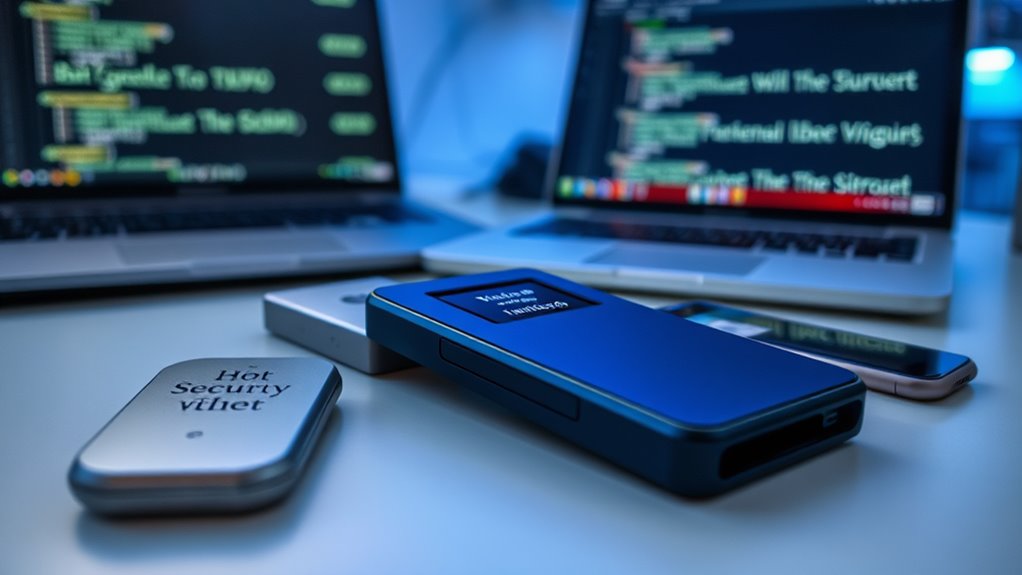
Choosing a crypto wallet can feel like maneuvering through a minefield, especially when every option seems to have its own set of risks and rewards. On one hand, you've got custodial wallets, like those from exchanges, where someone else holds the keys. Sounds cozy, right? But if that exchange goes belly up, kiss your funds goodbye.
On the flip side, non-custodial wallets let you control your keys. But with great power comes great responsibility. Lose that key, and that's your money gone.
Then there's the hot vs. cold wallet debate. Hot wallets are like leaving your front door wide open. Convenient, sure, but also an invitation for hackers. Cold wallets, on the other hand, are offline and way more secure. Think of them as your money's underground bunker. Cold wallets are optimal for long-term storage and security, making them an excellent choice for serious investors. To ensure you're making a wise choice, always check for wallet compatibility with various cryptocurrencies supported by the wallet.
Hot wallets offer convenience but risk; cold wallets provide offline security, like an underground bunker for your funds.
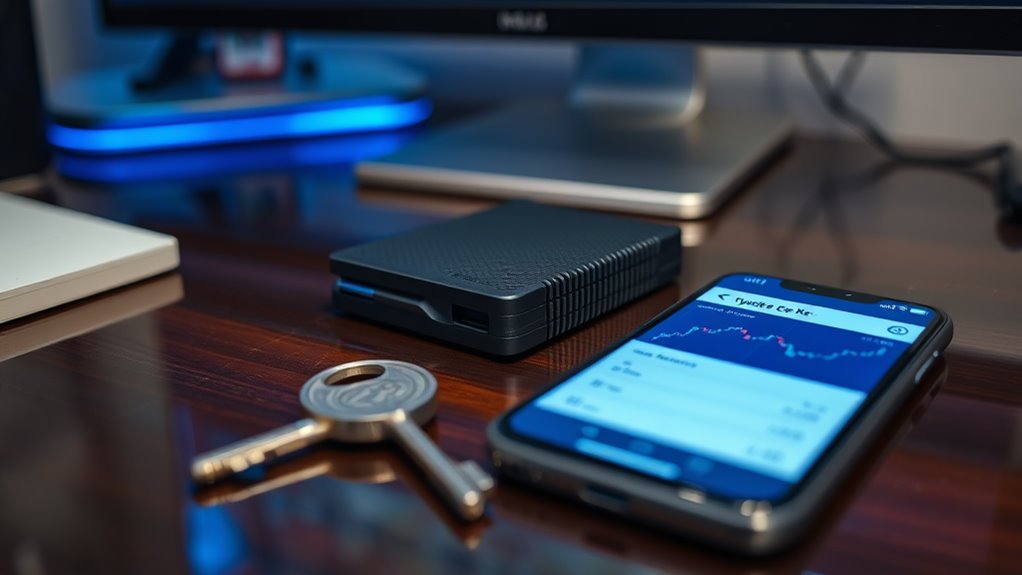
Hardware wallets, like Trezor or Ledger, are the gold standard for long-term security. They make it nearly impossible for hackers to get in.
Software wallets? They fall somewhere in between. They can be user-friendly and accessible, but they come with their own risks.
And paper wallets? Well, if you're feeling adventurous and enjoy living dangerously, that's an option. Just don't spill coffee on it—your funds will be toast.
When picking a wallet, don't ignore security features. Two-factor authentication? Absolutely essential. Seed phrases? Treat them like the crown jewels. The importance of private key control can't be overstated. Backup options are essential safeguards that protect your assets in case your device is lost, stolen, or damaged.
And if you're feeling fancy, multi-signature support adds an extra layer of protection.
Lastly, do a little homework. Reputation matters. User experience can't be overlooked. Compatibility is key—if it doesn't support your favorite crypto, what's the point?
Wallet costs vary, too, from free options to those pricier hardware wallets. In the end, choosing a good crypto wallet requires balancing convenience, security, and your individual needs. Good luck out there!
Frequently Asked Questions
What Are the Risks of Using a Hardware Wallet?
Using a hardware wallet comes with its own set of risks.
Think about it: loss or theft could mean waving goodbye to your crypto. Tampering? Yeah, that's a real concern.
Imagine your device getting damaged or exposed to the elements—good luck accessing your funds!
Plus, let's not forget the chance of malware lurking from the factory.
And if you buy from sketchy vendors? You might as well hand over your keys!
Can I Use Multiple Wallets Simultaneously?
Absolutely, multiple wallets can coexist in perfect harmony. It's like having a bunch of different piggy banks. Some for savings, some for spending.
But hey, juggling them can get messy. Forget about one, and oops, there goes your crypto. Keeping track of passwords and seed phrases? Fun times!
Just don't go overboard or you'll drown in chaos. Balance is key. Too many wallets? That's just a recipe for losing track. Good luck!
How Do I Recover a Lost Crypto Wallet?
Recovering a lost crypto wallet? Good luck with that.
First, if you've got a seed phrase, you might be in luck—just plug it into a compatible wallet.
But if you're relying on some cloud storage, be careful. You could be asking for trouble.
Didn't back it up? Oops. You might need professional help, and that's a whole different headache.
Just remember: security is key, but so is not losing your stuff in the first place.
Are There Fees for Transferring Funds Between Wallets?
Transferring funds between wallets? Yeah, there can be fees.
Typically, it's the network fees that hit you first. Bitcoin can cost you $5–$10, while Ethereum's no picnic either, with fees bouncing around $2–$8 or more.
Some wallets might charge for transfers, but others—like hardware wallets—usually just stick you with the network costs.
How Can I Ensure My Wallet Is Secure?
To keep a wallet secure, one must consider a few basics.
Regular audits? Yes, please.
Hardware wallets? A must.
Forget public Wi-Fi—VPNs are your friend.
Multi-signature wallets add an extra layer.
And, for goodness' sake, use two-factor authentication!
Passwords should be strong, not "123456."
Regular updates? Don't skip them.
Biometric access? Why not.
It's a jungle out there, and staying safe is top priority.
Don't be the next headline.