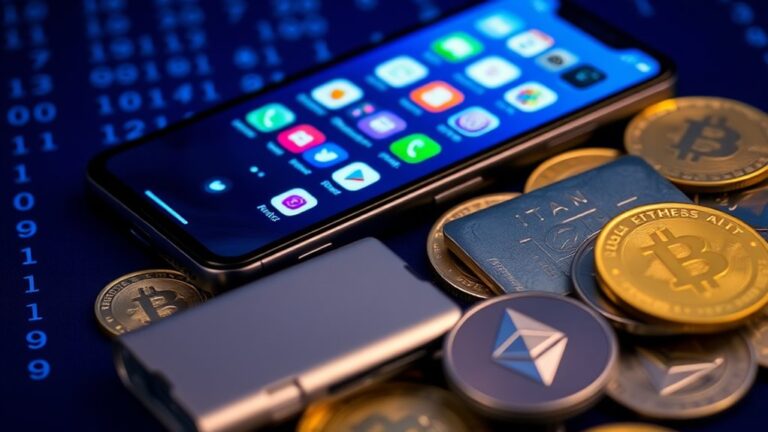

Malware in Crypto

Malware in the crypto world is a nightmare. Every day, hackers launch new attacks like cryptojacking and crypto ransomware. It's a goldmine for cybercriminals, with a whopping $3.8 billion stolen in 2022 alone. Phishing emails? One-third are opened. Sounds safe, right? Trojans lead the malware pack, compromising security left and right. If you think that's bad, just wait—there's more to uncover about this digital mess lurking in the corners of the internet.

In a world where cyber threats lurk around every digital corner, malware in the crypto space is nothing short of a virtual nightmare. Every day, a staggering 560,000 new malware variants are detected, adding to an already overwhelming pool of over 1 billion existing programs. It's like a horror movie that never ends.
Ransomware attacks? They happen every minute. Yes, every single minute, four unsuspecting companies are targeted. Phishing accounts for 91% of all cyber attacks, making it a crucial area for individuals and organizations to monitor closely.
Every minute, four unsuspecting companies fall victim to relentless ransomware attacks—it's a digital crisis unfolding in real-time.
The healthcare sector has taken a hit too, with over 550 U.S. organizations breached in 2022. If you thought your medical records were safe, think again.
And let's not forget about the wallet in your pocket, which could be a prime target for cybercriminals. Android devices are 50 times more likely to be infected than their iOS counterparts. It's like choosing to walk through a minefield or a park; one is a lot riskier.
Among the various types of crypto malware, cryptojacking reigns supreme. This sneaky malware hijacks devices to mine cryptocurrency without the owner's consent. Meanwhile, crypto ransomware encrypts files, demanding payments in crypto for decryption. Cryptojacking utilizes device processing power for unauthorized mining, often without the user's knowledge.
Trojans, which make up 58% of all computer malware, are often the villains behind crypto thefts. Sophisticated tools like Lumma Stealer are increasingly prevalent in the marketplace, making crypto theft more accessible even to amateur cybercriminals.
Infection methods are as sneaky as they come. Phishing emails? A third of those are opened, and just like that, malware spreads like wildfire. Malicious files, botnets, and unsecured wallets provide ample avenues for infection.
The financial toll is staggering, with $3.8 billion in crypto stolen in 2022 alone.
As for trends, XMRig dominates the crypto-mining malware scene, while RubyMiner gives it a run for its money.
In 2023, malware is not just a nuisance; it's a full-blown crisis. The numbers are grim. Cybercrime costs are projected to hit $8 trillion this year.
In short, the digital landscape is a battlefield, and right now, malware is winning.
Frequently Asked Questions
What Are the Common Signs of a Malware Infection in Crypto Wallets?
Signs of malware in crypto wallets are hard to miss. First, funds vanish—poof! Unauthorized transactions show up, leaving users scratching their heads.
Then, there's that odd clipboard hijacking, swapping wallet addresses for the attacker's. Security software? Disabled. Surprise!
And let's not forget the suspicious wallet prompts, asking for sensitive info. It's like a horror movie, but instead of a ghost, it's a hacker. Just a regular day in the crypto world, right?
How Can I Recover My Funds if Malware Steals Them?
So, funds get swiped by malware. Great.
First, isolate your devices. Disconnect everything. Nobody wants more chaos.
Assess the damage. Did you lose a fortune or just a bit?
Notify the necessary parties. Law enforcement loves this stuff.
Use blockchain tools to trace those slippery funds.
If lucky, some decryption tools might work.
Restore from backups if you have them.
And maybe, just maybe, you'll see some cash again.
Good luck!
Are Hardware Wallets Immune to Malware Attacks?
Hardware wallets? Not exactly bulletproof.
Sure, they're tough cookies, designed to resist hacking and physical attacks. But guess what? They can't escape every threat.
Phishing scams can still trip users up. If someone nabs that recovery phrase, game over. Plus, if it's linked to sketchy apps or exchanges, well, good luck.
They're better than most options, but "immune" is a strong word.
Reality check: nothing's perfect in the tech world.
What Precautions Should I Take When Using Crypto Exchanges?
When using crypto exchanges, it's essential to play it smart. Strong, unique passwords? Absolutely. Two-factor authentication? Definitely.
Don't get lazy and reuse passwords—it's a rookie mistake. Stick to reputable exchanges, not the sketchy ones. Cold storage is your best friend for large amounts, and always double-check wallet addresses.
And hey, if something feels off, trust your gut. Better safe than sorry, right? Keep your assets secure, because the crypto world can be a wild ride.
How Often Should I Update My Security Software for Crypto?
Updating security software? Yeah, it's not a "whenever" thing. Aim for at least every month, if not more.
Seriously, staying on top of updates can save your skin. Outdated software? It's like inviting trouble to your digital doorstep.
Plus, automatic updates are a lifesaver—set 'em and forget 'em. If you're still running ancient versions, you might as well hang a "hack me" sign on your back.
Keep it fresh, or face the consequences!