What Is an Altcoin?

Altcoins are any cryptocurrency that isn't Bitcoin. Surprise! The first altcoin, Litecoin, appeared in 2011, and now there are over 5,000 of them. Some are total flops, while others stick around. They can be forks, tokens, or coins on their own, each trying to stand out in a crowded market. Sure, some of them are just for laughs, like Dogecoin, but others offer real uses. Want to learn what makes them tick? Keep going!
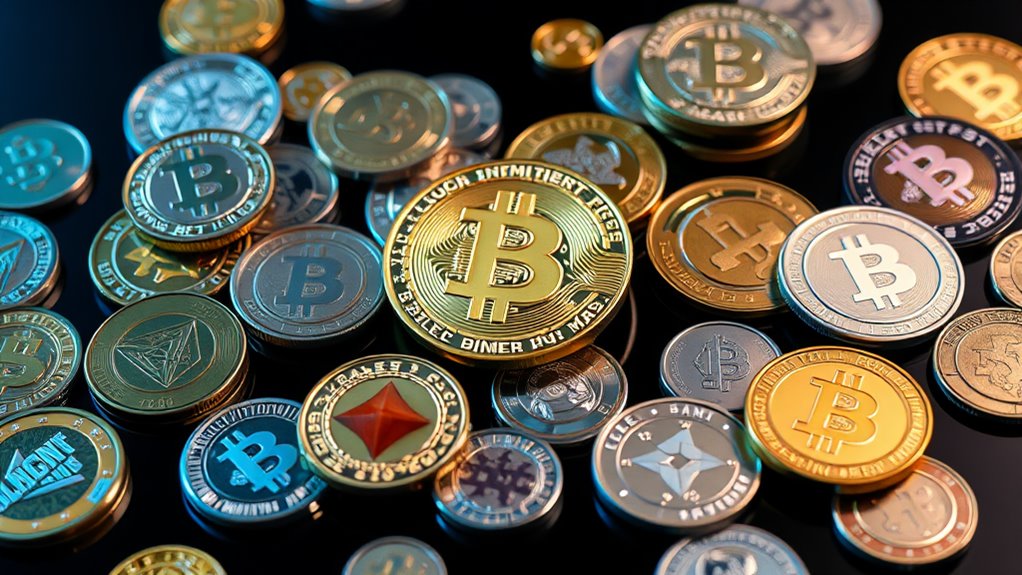
Altcoins—ever heard of them? If you're even mildly aware of cryptocurrencies, you probably have. The term "altcoin" simply means any cryptocurrency that isn't Bitcoin, and yes, it's a blend of "alternative" and "coin." Kind of clever, right? The first altcoin was Litecoin, which popped up in 2011 as a Bitcoin fork, promising faster transactions. Since then, over 5,000 altcoins have emerged. Some are just a flash in the pan, while others are here to stay.
So, what's the deal with altcoins? They come in all shapes and sizes. There are forks, like Litecoin, that split off from existing blockchains. Then you have native cryptocurrencies designed for specific platforms, like Ether on Ethereum. Don't forget tokens, which are like the sidekicks of the blockchain world, doing specific tasks, while stablecoins, such as Tether, try to keep things steady by tying themselves to fiat currencies. Moreover, many altcoins operate using alternative consensus mechanisms that aim to improve upon Bitcoin's limitations.
And privacy coins? They're the sneaky ones, focusing on keeping transactions under wraps, like Monero.
When it comes to features, altcoins often flaunt their differences from Bitcoin. Many use alternative consensus mechanisms, like Scrypt or Proof-of-Stake, to shake things up. Ethereum introduced smart contracts, allowing decentralized applications to flourish. It's not just about payments anymore; it's about what you can do with the tech. Some altcoins even attempt to rival Bitcoin directly, like Bitcoin Cash. Interestingly, there are over 5000 alternative currencies created worldwide, showcasing the diversity in this space.
In the wild world of crypto, notable players like Ethereum, Tether, and Solana make waves—while others, like Dogecoin, ride the meme train. Each altcoin has its own unique tokenomics model that determines how it creates value and incentivizes user participation.
But here's the kicker: the altcoin market is a total rollercoaster. Prices swing wildly, and many coins won't make it in the long run. Still, those with real utility could stick around. So, whether you're in it for fun or profit, altcoins are definitely something to keep an eye on.
Frequently Asked Questions
How Do Altcoins Differ From Bitcoin in Technology?
Altcoins and Bitcoin? Totally different beasts.
Bitcoin's all about that energy-hogging Proof of Work, while altcoins often roll with Proof of Stake, slashing energy use dramatically.
Plus, altcoins boast faster transactions and lower fees. They engage in smart contracts, unlike Bitcoin, which just sits there.
Scalability? Altcoins got that covered too, with fancy tricks like Layer-2 solutions.
Bottom line: altcoins are the tech-savvy cousins of Bitcoin, always trying to one-up it.
Are Altcoins More Volatile Than Bitcoin?
Absolutely, altcoins are way more volatile than Bitcoin.
Why? Lower liquidity and smaller market caps mean even small trades can send prices spiraling. News hits, and bam—prices swing like a pendulum.
Retail investors, fueled by hype and FOMO, jump in, driving wild price changes.
Bitcoin? It's the big kid on the block, stable and seasoned.
Altcoins? They're like the unpredictable teenagers, full of drama and prone to mood swings.
Buckle up!
Can I Use Altcoins for Everyday Purchases?
Altcoins can be used for everyday purchases, but it's not as simple as swiping a card. Some places accept them, sure.
But good luck finding a local coffee shop that takes Dogecoin. Most still prefer good ol' cash or credit.
Plus, don't forget the price swings. One day it's worth a fortune, the next it's in the gutter.
What Are the Risks of Investing in Altcoins?
Investing in altcoins? Buckle up! The risks are wild.
Volatility is a beast; prices swing like a pendulum. Liquidity? Good luck—it's often low, making trades a heart-pounding gamble.
Watch out for scams lurking everywhere. Regulatory chaos could turn your investment into a paperweight overnight.
Plus, technological flaws and security holes? Oh boy! It's like playing roulette with your cash.
Altcoins might sound exciting, but they're a recipe for potential disaster.
How Do I Store Altcoins Securely?
Storing altcoins securely? It's like keeping your prized possessions safe.
Hardware wallets? Yep, that's gold.
Paper wallets? Perfect for those who love the old-school vibe.
Encrypted backups? Smart move.
Air-gapped devices? Fancy term for "no internet connection."
Online? Enable 2FA, use strong passwords, and don't be a fool on public Wi-Fi.