Coinbase, Cetus Hacks Highlight Need for Secure Crypto Wallets

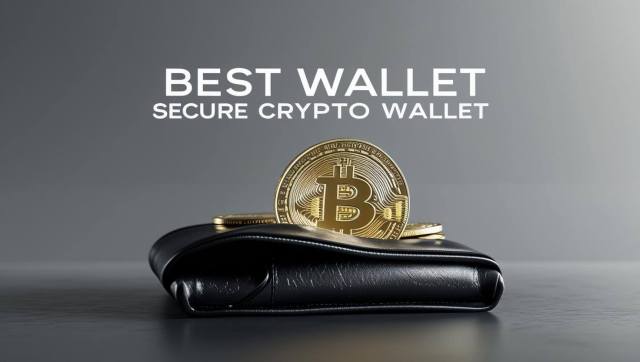
Recent security breaches at major cryptocurrency exchanges, Coinbase and Cetus, underscore the importance of secure self-custodial wallets. The Cetus hack exploited a vulnerability in its automated market maker (AMM), resulting in the theft of $223 million in digital assets. Coinbase experienced a data breach affecting over 69,000 users, exposing sensitive personal information after hackers bribed support agents. These incidents highlight the risks associated with centralized exchanges (CEXs) that hold users’ private keys. In contrast, non-custodial wallets, like the promoted Best Wallet, offer greater security by giving users complete control over their private keys. Best Wallet, aiming for 40% market share by 2026, is presented as a solution. It’s a non-custodial, no-KYC wallet, meaning users manage their keys and don’t need to provide identifying information. The wallet utilizes its own token, $BEST, offering benefits like reduced transaction fees and governance rights. The $BEST token is currently available in a presale. While self-custodial wallets provide enhanced security, users remain solely responsible for their private keys, emphasizing the need for strong passwords and security measures. The article advocates for thorough research to avoid scams like rug pulls and pump-and-dump schemes, advising users to take proactive steps to protect their crypto investments. The hacks serve as a cautionary tale, pushing users towards self-custody and highlighting the benefits of wallets like Best Wallet, despite the added responsibility.
(Source: https://bitcoinist.com/crypto-wallet-best-wallet-coinbase-cetus-hack/)