


Understanding Tokenization in Crypto

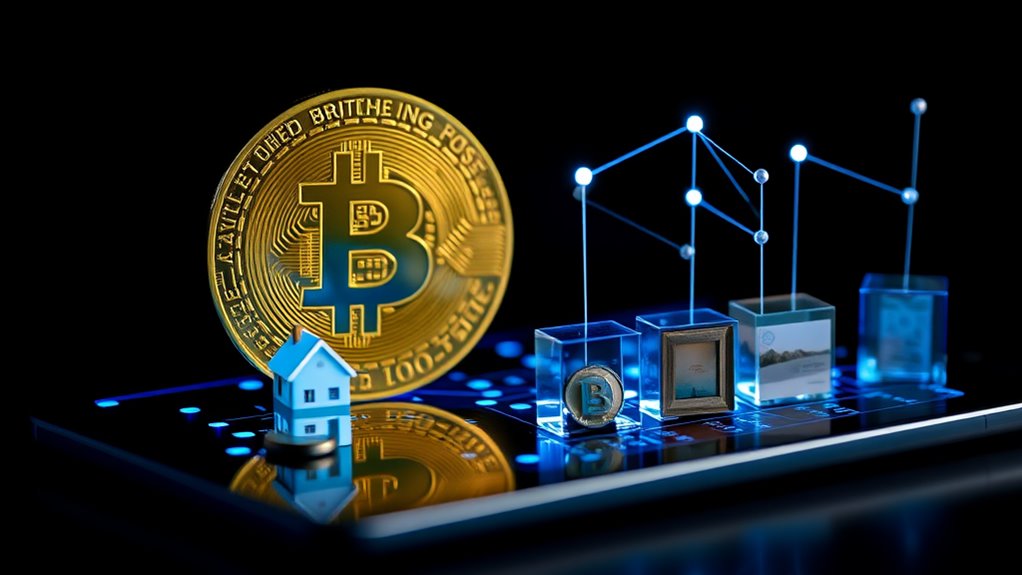
Tokenization in crypto is all about flipping real-world assets into digital tokens on a blockchain. Think of it as giving ownership a tech upgrade. It allows fractional ownership, so you don't need to be a millionaire to invest in cool stuff, like art or real estate. Plus, it's faster and cheaper—goodbye, waiting forever to buy or sell! And the blockchain? It makes everything super secure and transparent. Stick around, and there's more surprising stuff to uncover.
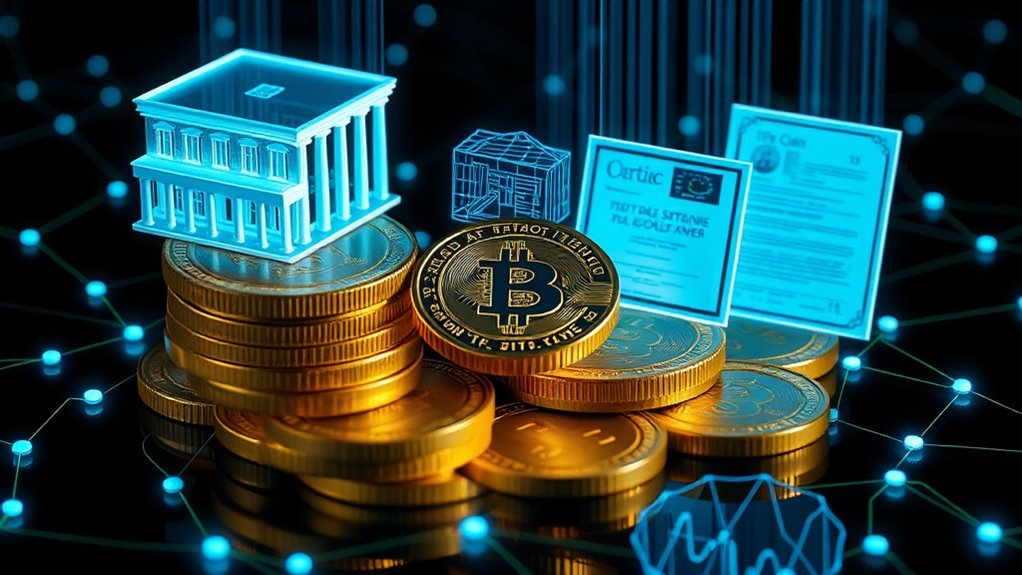
Tokenization is a fancy term that's making waves in the crypto world. It's not just a buzzword. It's the real deal. At its core, tokenization takes real-world assets and turns them into digital tokens on the blockchain. Yep, you heard that right. Those shiny tokens represent ownership, and they can be anything from a piece of art to a slice of real estate. Gone are the days of being stuck with whole properties or entire collections. Fractional ownership is here, folks!
How does this magic happen? Simple. They whip up digital tokens using smart contracts on blockchain networks. It's like cooking but with code. This process doesn't just stop at physical stuff like houses; it extends to intangible assets too, like stocks and bonds. Ownership rights now come with a side of decentralization and transparency. Who knew owning a piece of anything could be so tech-savvy? As the market for tokenization is expected to grow to over $10 trillion by 2030, this innovation is becoming increasingly vital.
Tokenization transforms assets into digital tokens with smart contracts, bringing decentralization and transparency to ownership like never before!
Let's talk benefits. Want liquidity? Tokenization has you covered. It allows for 24/7 trading, which means you can buy and sell whenever you want. No more waiting for that 9 to 5 window. Faster settlement times? Check. What about lower barriers to entry? With fractional ownership, you don't need a fortune to dip your toes in the water. Say goodbye to the old ways of investing, where only the wealthy could play. Tokenization gives everyone a seat at the table. Liquidity is enhanced as tokenization unlocks new opportunities for investors to engage in markets that were previously inaccessible.
Transaction costs? They drop like a rock. Operational inefficiencies? Sayonara! Tokenization opens up global markets for assets that were once stuck in a small town. And let's not forget the security angle—blockchain's immutable ledger keeps everything transparent. It's like having a digital watchdog that never sleeps. Effective tokenization requires careful consideration of token utility to create sustainable value and incentivize community engagement.
Frequently Asked Questions
What Are the Different Types of Tokens in Crypto?
In the world of crypto, tokens come in various flavors—like a candy shop, but with more volatility.
Utility tokens grant access to services, while security tokens represent ownership of real-world assets.
Then, there are stablecoins, which are like the reliable friend who never flakes.
Specialized tokens? They range from NFTs, which scream "look at me!" to meme coins that exist mainly for laughs.
Each type has its quirks, and yes, they all come with risks.
How Do I Create My Own Token?
Creating a token? It's a wild ride.
First, pick your blockchain—Ethereum, Solana, or Binance Smart Chain—each with its quirks and fees.
No coding? No problem! Use no-code tools to whip it up. Set your token's name and supply, then choose cool features like burn rates.
Don't forget, once it's live, there's no going back! Deploy it, pay your gas fees, and hope for the best.
It's like launching a digital baby. Good luck!
What Is the Difference Between Tokens and Coins?
Coins and tokens? They're not the same, folks.
Coins are the big shots, running on their own blockchains, like Bitcoin. Tokens? They're just hitching a ride on existing networks, like Ethereum's ERC-20.
Coins are your digital cash; tokens are like those loyalty points you can't really use anywhere.
Coins get mined or staked, while tokens pop up through smart contracts.
Are Tokens Subject to Regulatory Compliance?
Tokens? Yeah, they're definitely in the compliance spotlight.
The SEC and CFTC have their eyes on them like hawks. If a token acts like a security, it better follow the rules. States have their own regulations too. Confused? You should be!
Different laws everywhere make it a total mess. Add in the AML headaches and you've got a compliance nightmare.
Welcome to the wild west of crypto, where clarity is as rare as a unicorn.
Can Tokens Represent Physical Assets?
Tokens can indeed represent physical assets. Think of it as turning your grandma's old jewelry into digital bling.
It's all about converting those tangible items into bits on a blockchain. This means ownership can be split, traded, and sold without the usual headaches.
But, hold on. There are challenges like regulatory messes and scams lurking around.




One Comment