
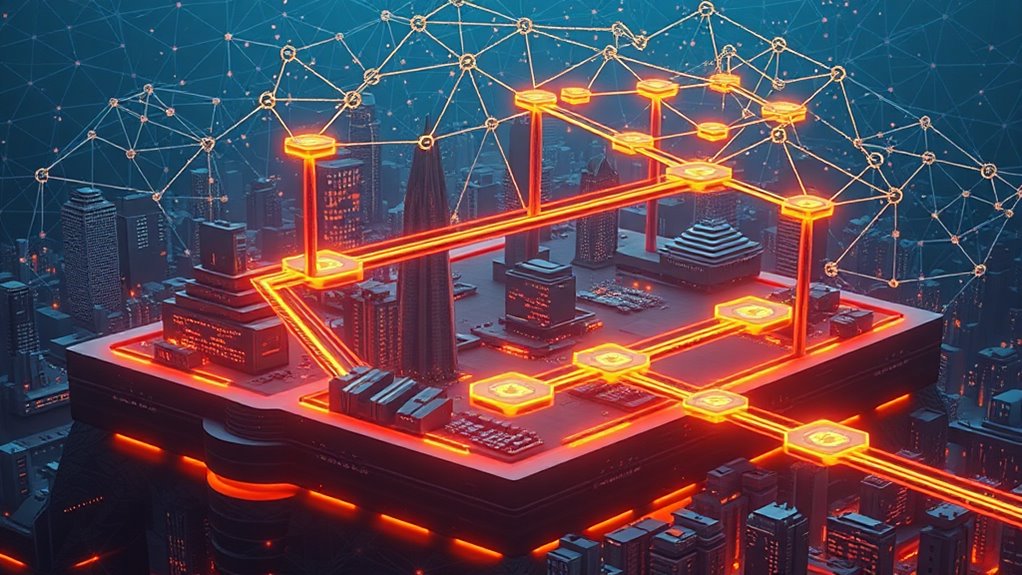
Layer 3 in Blockchain: Beyond Scalability and Interoperability

Layer 3 in blockchain isn't just a fancy buzzword about scalability and interoperability. Nope, it's a whole new game. This layer acts like a magic bridge between blockchains, allowing decentralized applications to really shine. Think high transaction volumes and privacy. Layer 3 even borrows security from Layer 1, so you get extra peace of mind. Sure, it has challenges—scalability hiccups and potential vulnerabilities aren't going away. But it might just change everything you thought you knew about blockchains. Stick around to see how.

Layer 3 in blockchain is like the cool kid in school who knows how to bring everyone together. It takes the foundation laid by Layer 1 and the quick fixes from Layer 2, then amps it up to create a playground where decentralized applications (DApps) can thrive. This isn't just a side hustle; it's the main event. By focusing on cross-chain interoperability, Layer 3 makes it possible for different blockchains to chat like they've known each other forever. And let's face it, this is what everyone wants—smooth communication across the digital landscape.
Imagine this: developers are now armed with the tools to create custom blockchains tailored for specific needs. Want privacy? Check. High transaction volumes? You got it. It's like being able to design your own digital fortress. Enhanced scalability? Absolutely. Layer 3 takes transactions off-chain, processes them, and brings back the results like a magician pulling a rabbit out of a hat. Efficiency? Who doesn't love that? In fact, Layer 3 blockchains often provide improved scalability by optimizing resource allocation for DApps. Moreover, interoperability allows seamless communication and data exchange between different blockchain networks.
But wait, there's more! Layer 3 doesn't just stop at being user-friendly; it also inherits the security of Layer 1 while sprinkling in some advanced features. Think zero-knowledge proofs. These enhance security and privacy, making it a fortress that even the toughest hackers would think twice about approaching. The foundation of this security relies on cryptographic methods that ensure transaction authenticity and data immutability across the network.
Projects like Aztec Network and Fuel Labs are already jumping on this bandwagon, turning heads and raising eyebrows. They're redefining what DApps can do. DeFi, gaming, NFTs—you name it, Layer 3 is in the mix, connecting everything like a well-organized party planner.
Still, it's not all sunshine and rainbows. Scalability and security challenges loom large. Balancing high throughput with stability is like walking a tightrope. But hey, that's the name of the game. In the end, Layer 3 is here to shake things up and connect the blockchain world like never before.
Frequently Asked Questions
What Are Some Real-World Applications of Layer 3 Solutions?
Layer 3 solutions are shaking things up.
Think faster transactions in DeFi—bye-bye, high gas fees. They also enable asset transfers across different blockchains. Yes, it's as seamless as it sounds.
In gaming, real-time asset transfers are a game-changer, literally. Plus, they make IoT devices talk to each other smoothly. Who knew a bunch of machines could be so chatty?
All this, and they also focus on compliance. Pretty neat, right?
How Does Layer 3 Impact User Experience on Blockchain Networks?
Layer 3 is a game changer for user experience in blockchain. It cuts through the tech jargon, making everything smoother.
No more jumping through hoops with clunky third-party bridges. Transactions are faster, fees are lower, and the network isn't choked up.
Plus, users can actually interact with smart contracts directly. It's like finally getting the Wi-Fi password at a party. More access, less hassle. Who wouldn't want that?
Are There Security Concerns With Layer 3 Implementations?
Security concerns with Layer 3 implementations? Oh, they're real.
With extra features come extra vulnerabilities. Think smart contracts gone rogue. IP spoofing? Yep, it's a thing.
And let's not forget the delightful chaos of cross-chain communication, which can lead to privacy breaches. Governance? Good luck coordinating multiple stakeholders.
It's a recipe for disaster. So, while Layer 3 might sound cool, it's like adding toppings to a pizza that's already on fire.
How Do Layer 3 Solutions Interact With Layer 1 and Layer 2?
Layer 3 solutions play the middleman game between Layer 1 and Layer 2.
They grab security from Layer 1 and snag scalability from Layer 2. It's like a tech sandwich.
Transactions? Mostly processed off-chain thanks to Layer 2's magic.
But don't get too comfy; if Layer 1 hiccups, Layer 3 feels the pain.
And let's not forget, they need to chat nicely with each other.
Otherwise, chaos reigns. Simple, right?
What Are the Future Trends for Layer 3 in Blockchain Technology?
Future trends for Layer 3 in blockchain? Expect more seamless cross-chain transactions. Yes, goodbye, intermediaries!
Developers are getting cozy with simplified interoperability protocols. Multi-chain dApps? Those are the future, bringing users a smoother experience.
Custom solutions for specific industries will pop up everywhere.
And let's not forget about scalability. Off-chain processing and parallel execution are not just buzzwords; they're the new norm.
Get ready for an exciting ride—if you can keep up!