Layer 4 Blockchain Technology Explained

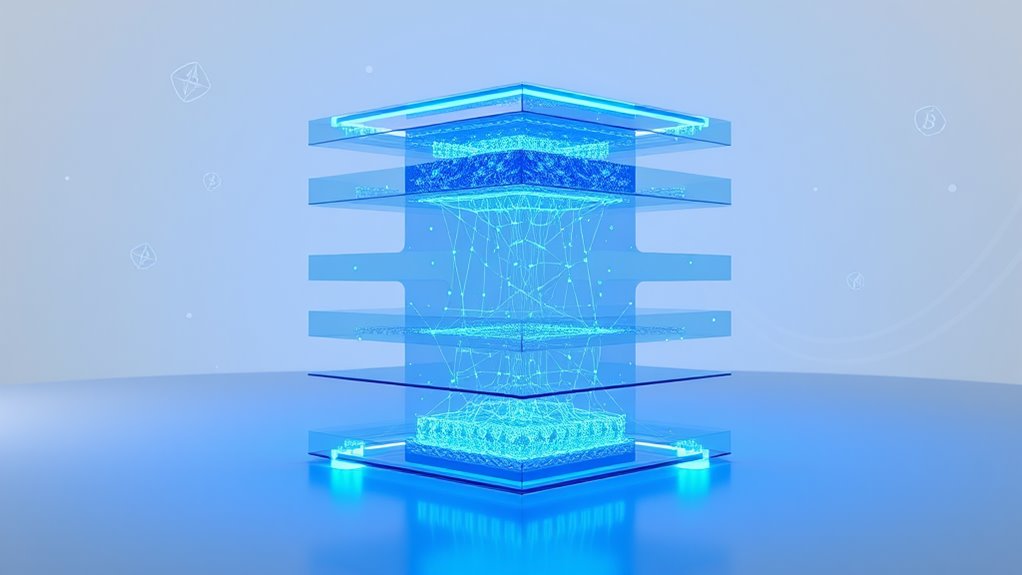
Layer 4 in blockchain is where the action is. It's not just about the smart contracts or the dApps, though they're super important too. Think of it as the flashy cousin at a family reunion—full of energy and excitement. This layer handles applications and the way users interact with the network. Some even argue there's a Layer 5 for user experience. Confused yet? Stick around to sort through the chaos.

Layer 4 Blockchain Technology, whether you see it as the application layer or the user interaction layer, is a bit like a family reunion—everyone has their own version of who's related to whom. Some sources firmly categorize Layer 4 as the application layer, brimming with smart contracts and dApps. Others, however, assert that it's all about user interfaces, wallets, and APIs. Confused yet? You should be.
Let's break it down. On one hand, you have folks who argue that Layer 4 is where the real action happens: the applications that make blockchains usable. Think of it as the flashy cousin at the reunion, showcasing their new tech toys. These are the smart contracts and decentralized applications that drive functionality. Additionally, the applications at this layer rely on interoperability protocols to seamlessly communicate with other blockchains.
On the other hand, there's a camp that insists Layer 4 is more about how users interact with all this technology. Imagine a dashboard at a car race; it's all about the user experience, right? They point to tools like MetaMask and Etherscan as prime examples.
Now, it gets even more interesting. Some sources combine these concepts, suggesting there's a Layer 5 dedicated solely to user interaction. So, while Layer 4 might handle the applications, Layer 5 is where users get their hands dirty. It's like having two separate tables at a family reunion—one for those who want to dive deep into tech and another for those who want to keep it light and user-friendly.
This whole Layer 4 debate creates a bit of chaos in the blockchain community. Is it the application layer? Is it user interaction? Honestly, it depends on who you ask. Blockchain technology enables the secure exchange of value and data between users, and this is crucial for both applications and user interactions. For enterprise solutions, frameworks like Hyperledger Fabric provide the infrastructure needed to build custom blockchain applications that prioritize privacy and performance.
In a world where definitions seem to shift like quicksand, one thing is clear: Layer 4 is essential, however you choose to define it. And good luck keeping up with all these layers—it's a wild ride!
Frequently Asked Questions
How Does Layer 4 Differ From Layer 1, 2, and 3 Blockchains?
Layer 4? It's like the VIP lounge of blockchains.
Layer 1 is the foundation—think Bitcoin or Ethereum. Layer 2 boosts scalability, while Layer 3 hosts applications like DeFi and gaming.
But Layer 4? It's all about user interaction. It's where the cool stuff happens, or so they say.
Confusing, right? Different sources throw around terms like confetti.
Just remember, Layer 4 focuses on making things user-friendly, a step above the rest.
What Industries Benefit Most From Layer 4 Blockchain Technology?
Layer 4 blockchain technology? It's a game changer.
Industries like finance, healthcare, and supply chain are reaping the rewards. Think about it: faster payments, secure patient data, and real-time tracking. Who doesn't want that?
And don't forget government services—transparency is the name of the game.
But let's be real, it's not all rainbows and butterflies. Implementation can be tricky.
Still, the potential? Huge. It's like giving these sectors a turbo boost.
Are There Any Notable Projects Using Layer 4 Technology?
Notable projects using Layer 4 technology? Well, it's a bit of a mixed bag.
Some folks say it's about user interfaces, while others insist it's all about dApps and smart contracts. Confusing, right?
But if you're diving in, look at Uniswap or OpenSea for dApps.
If you're into wallets, check out MetaMask or Coinbase Wallet.
What Are the Challenges of Implementing Layer 4 Solutions?
Implementing layer 4 solutions is no walk in the park.
First off, the tech is complicated. Non-techies? Good luck.
Then there's the mess of fragmented ecosystems. Seriously, it's like herding cats.
Security? Let's not even start on wallet vulnerabilities.
And compliance? It's a bureaucratic nightmare. Different rules everywhere.
Add in the costs and you've got a recipe for frustration.
In short, it's a tough gig with plenty of pitfalls. Good luck!
How Secure Is Layer 4 Blockchain Technology Compared to Previous Layers?
Layer 4 blockchain technology? It's not the most secure option out there.
Compared to earlier layers, it's like leaving your front door wide open. Sure, it connects users to cool tools, but guess what? Those wallets and APIs are hotbeds for phishing and malware.
It's a playground for hackers. The focus is on user-friendliness, not security.